

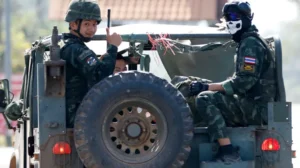

Hostilities resumed after early December incidents, with both governments accusing each other of violating ceasefire commitments. The conflict rapidly expanded in scope and intensity. Thai armed forces deployed F-16 fighter jets to carry out airstrikes on suspected Cambodian positions, while Cambodian forces responded with heavy artillery fire and multiple rocket launcher systems. These exchanges have resulted in significant casualties, with dozens reportedly killed and hundreds injured, including civilians living near the contested border zones.
The humanitarian situation has deteriorated rapidly. Thousands of residents have been forced to flee their homes, seeking refuge in temporary camps under strained conditions. Access to medical care, food supplies, and clean water remains limited in many affected areas, prompting concern from international aid organizations. The violence has also disrupted trade routes and cross-border movement, further worsening local economic conditions.
Political instability has deepened alongside the military confrontation. In Thailand, the government dissolved parliament amid mounting domestic pressure and public anxiety over national security and leadership accountability. In Cambodia, authorities withdrew from several regional engagements, including major sporting and diplomatic events, signaling the seriousness with which Phnom Penh views the crisis. Nationalist rhetoric has intensified on both sides, complicating prospects for compromise.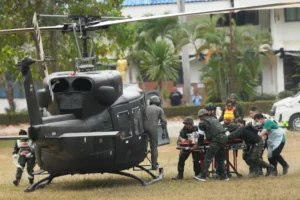

Former U.S. President Donald Trump claimed responsibility for reviving ceasefire efforts after holding direct phone conversations with leaders from both countries. However, reports from the ground indicate that clashes continued despite these diplomatic interventions, casting doubt on the effectiveness of external mediation. While ASEAN member states have called for restraint and offered to facilitate dialogue, bilateral negotiations remain stalled due to mutual distrust and unresolved historical grievances.
At the heart of the dispute lies a complex legacy of colonial-era border demarcations and competing claims over ancient temple sites, issues that have repeatedly inflamed nationalist sentiment in both countries. Analysts argue that domestic political pressures, combined with weak crisis-management mechanisms, have made the conflict particularly difficult to contain.
Security experts warn that prolonged fighting could destabilize the broader Southeast Asian region and invite indirect involvement from major global powers seeking strategic influence. The crisis has also exposed vulnerabilities in regional cooperation frameworks, especially in the post-pandemic period when political trust and economic resilience remain fragile. Without sustained diplomatic engagement and confidence-building measures, the Thailand-Cambodia conflict risks becoming a prolonged source of instability with far-reaching regional consequences.